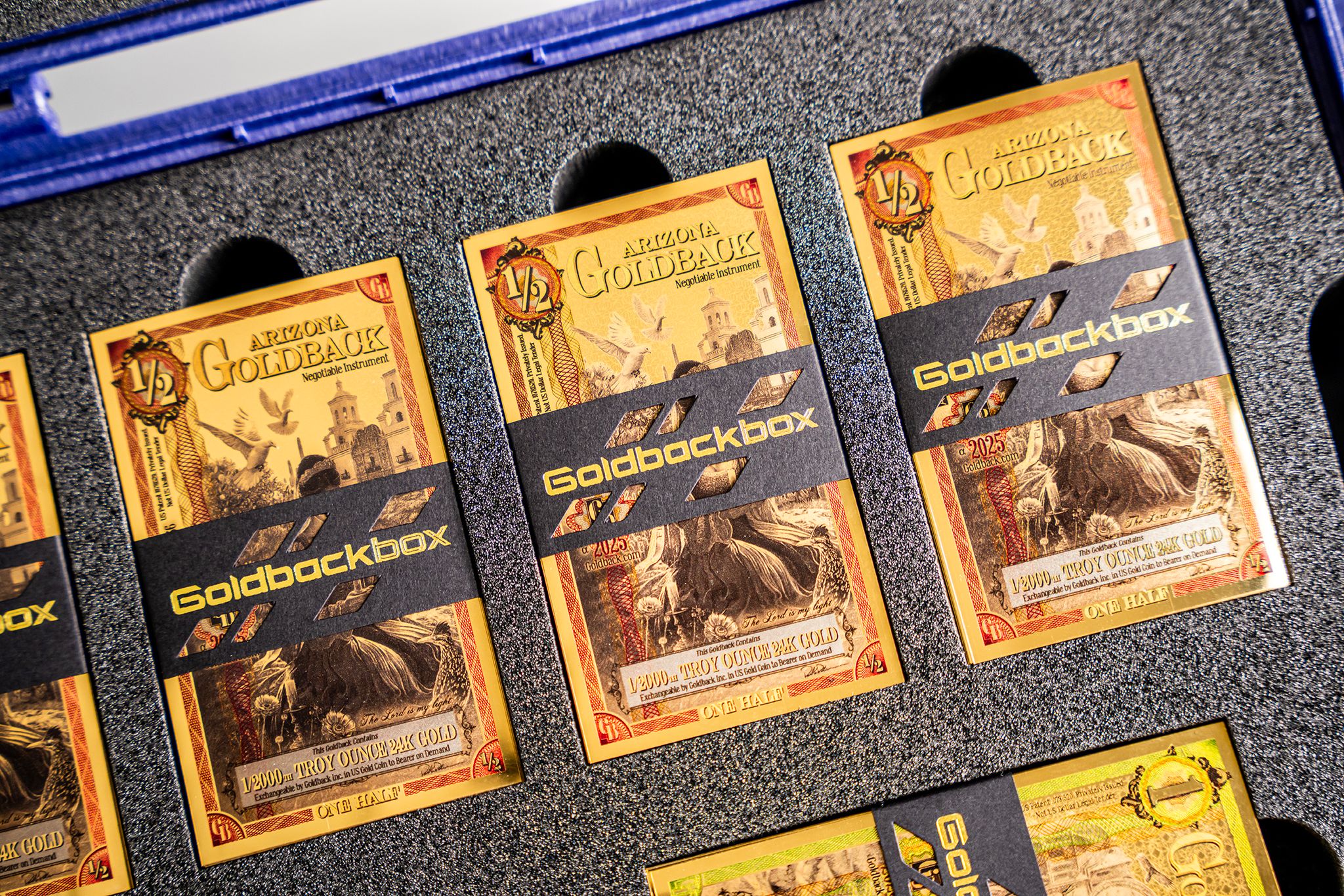

Goldbacks represent a significant investment in precious metals, and proper storage is essential to maintain their value and condition. Unlike traditional gold coins or bars, Goldbacks require specific handling and storage methods due to their unique polymer construction.
Storage Environment Basics
The ideal storage environment for Goldbacks maintains stable temperature and humidity levels. Extreme temperature fluctuations can potentially affect the polymer layers that protect the gold. Store your Goldbacks in a cool, dry place away from direct sunlight and heat sources.
Humidity control is equally important. Excessive moisture can damage the protective polymer layers over time. Aim for relative humidity between 40-50% in your storage area. If you live in a humid climate, consider using silica gel packets in your storage container.
Physical Storage Options
Currency sleeves designed for paper money provide excellent protection for individual Goldbacks. These acid-free, archival-quality sleeves prevent scratching and environmental damage while allowing you to view your Goldbacks without handling them directly.
For larger collections, currency albums with individual pockets offer organized storage and easy viewing. Choose albums made from acid-free materials specifically designed for long-term preservation of paper currency.
Safe deposit boxes at banks provide secure, climate-controlled storage for valuable Goldback collections. This option protects against theft, fire, and environmental damage while maintaining professional storage conditions.
Home safes rated for fireproofing and water resistance offer convenient access while providing security. Look for safes with UL ratings for fire protection and ensure they’re properly anchored to prevent theft.
Handling Best Practices
Always handle Goldbacks by the edges to avoid transferring oils and dirt from your fingers to the surface. Wearing clean cotton gloves provides additional protection when handling your collection frequently.
Never fold, crease, or bend Goldbacks. The polymer layers are durable but can be permanently damaged by creasing. Keep them flat at all times during storage and handling.
Avoid exposing Goldbacks to chemicals, cleaning products, or solvents. These substances can damage the protective polymer layers and potentially affect the gold itself.
Insurance Considerations
Document your Goldback collection with photographs and detailed records of denominations and state series. This documentation proves invaluable for insurance claims if theft or damage occurs.
Standard homeowners insurance may not adequately cover precious metals collections. Contact your insurance provider about adding a rider or separate policy specifically for your Goldbacks.
Long-Term Preservation
Periodically inspect your stored Goldbacks for any signs of damage or environmental issues. Early detection of problems allows you to address storage conditions before significant damage occurs.
Rotate your storage methods if needed. If you notice any issues with your current storage solution, research alternative methods that better protect your investment.
Consider professional grading and encapsulation for particularly valuable or rare Goldbacks. Third-party grading services seal Goldbacks in protective holders that preserve their condition indefinitely.